Sustainability is no longer optional in the chemical industry. Environmental regulations are tightening worldwide, customers demand responsible sourcing, and manufacturers are under pressure to reduce emissions, water consumption, and energy usage. In response, specialty dye producers are increasingly adopting green chemistry principles to modernize their operations.
One of the most impactful innovations supporting this transition is Mechanical Vapor Recompression (MVR) technology. By dramatically reducing energy consumption and wastewater generation, MVR is transforming how specialty dyes are manufactured. This article explores the role of MVR in green chemistry, its advantages in dye production, and why it represents the future of sustainable specialty chemical manufacturing.
Understanding Green Chemistry in Dye Manufacturing
Green chemistry focuses on designing chemical processes that minimize environmental impact while maintaining efficiency and safety. In specialty dye production, this involves:
- Reducing hazardous waste
- Lowering energy consumption
- Optimizing raw material use
- Minimizing solvent loss
- Improving process efficiency
Traditional dye manufacturing processes often require high-temperature reactions, solvent-intensive purification steps, and large volumes of steam for evaporation and concentration. These steps consume significant energy and generate wastewater.
To align with sustainability goals, manufacturers are re-engineering these processes. MVR technology plays a crucial role in this evolution.
What is MVR Technology?
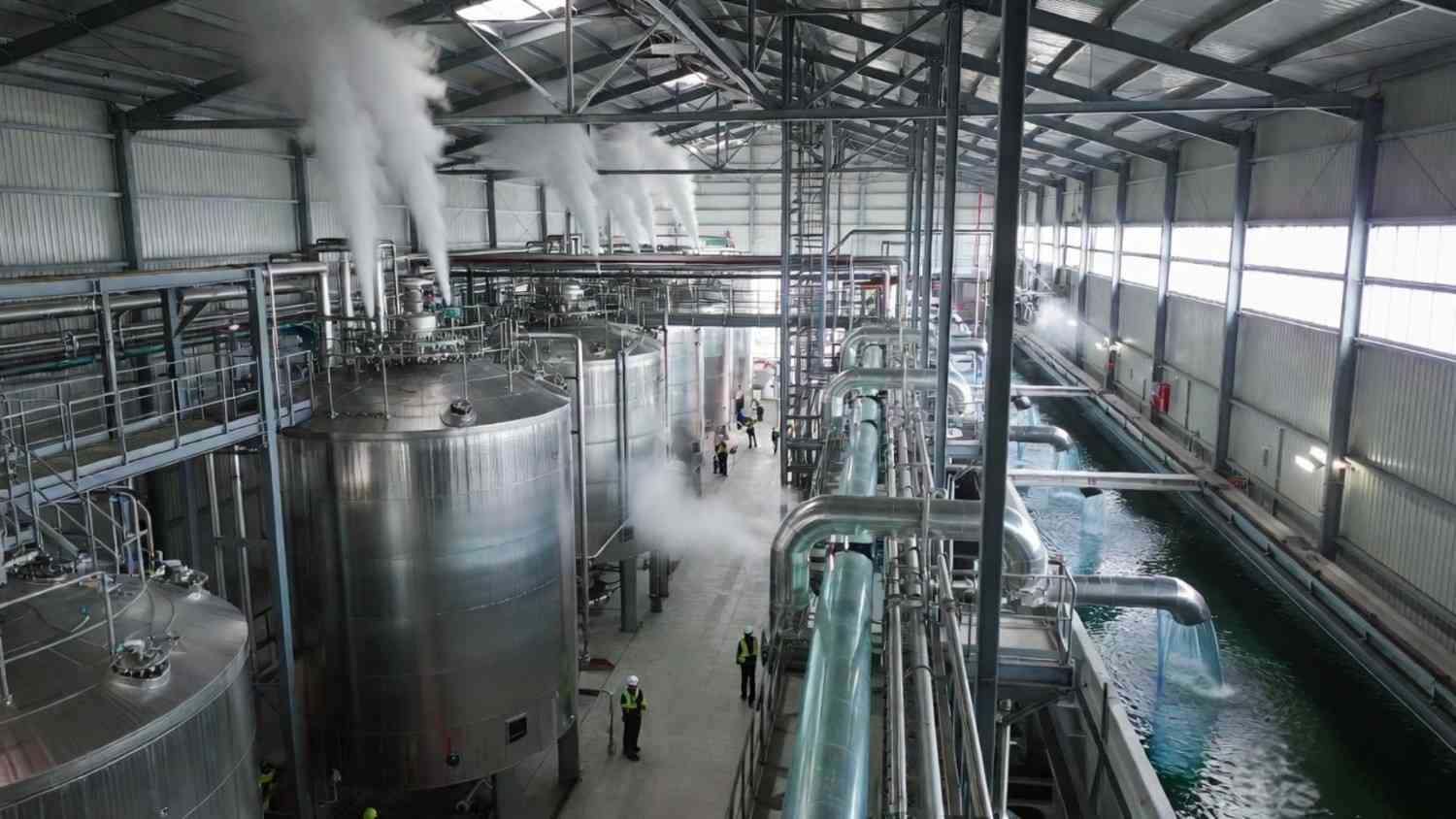
Mechanical Vapor Recompression (MVR) is an energy-efficient evaporation technology. Instead of using fresh steam continuously for evaporation, MVR captures vapor generated during the process, compresses it mechanically, and reuses it as a heat source.
In simple terms, MVR recycles its own energy.
The vapor produced during evaporation is compressed using a mechanical compressor. This compression increases the vapor’s temperature and pressure, allowing it to be reused as heating steam within the same system. As a result, external steam requirements are significantly reduced.
Why Evaporation Matters in Dye Production?
Evaporation is a key step in specialty dye manufacturing. It is used to:
- Concentrated dye solutions
- Recover solvents
- Reduce water content
- Prepare final formulations
Conventional evaporation systems rely heavily on boilers and fresh steam. This approach consumes high energy and increases operational costs, especially when handling large production volumes.
By replacing traditional steam-based systems with MVR-based evaporators, manufacturers can drastically reduce energy consumption.
Energy Efficiency: The Core Advantage
One of the biggest benefits of MVR technology is its ability to cut energy use by up to 80-90% compared to conventional evaporation systems.
Since MVR reuses vapor instead of constantly generating new steam, fuel consumption drops significantly. This leads to:
- Lower greenhouse gas emissions
- Reduced dependence on fossil fuels
- Decreased operational costs
For specialty dye manufacturers, energy is a major cost driver. MVR technology not only supports environmental goals but also improves financial performance.
Reduction in Wastewater and Effluent Load
Dye production traditionally generates wastewater containing colorants, salts, and by-products. Treating this wastewater requires substantial resources and infrastructure.
MVR systems help by:
- Concentrating effluents efficiently
- Reducing total wastewater volume
- Supporting zero liquid discharge (ZLD) systems
By minimizing effluent discharge, manufacturers can comply more easily with environmental regulations and reduce the burden on treatment plants.
Alignment with Global Environmental Regulations
Environmental regulations in regions such as Europe, North America, and parts of Asia are becoming increasingly strict. Specialty dye exporters must meet sustainability expectations from both regulators and customers.
MVR technology supports compliance by:
- Lowering carbon footprint
- Reducing water consumption
- Improving resource efficiency
For companies serving global life sciences, textiles, diagnostics, or specialty chemical markets, demonstrating sustainable manufacturing practices enhances credibility and competitiveness.
Supporting Circular Manufacturing Practices
Green chemistry emphasizes circularity, material reuse, and waste minimization. MVR systems contribute to circular manufacturing by enabling solvent recovery and resource reuse.
Recovered condensate can often be treated and reused within the production process. This reduces fresh water intake and lowers discharge volumes.
In specialty dye production, where solvents and water are heavily utilized, this circular approach provides measurable environmental and economic benefits.
Improved Process Stability and Product Quality
Sustainability initiatives must not compromise product quality. Fortunately, MVR technology supports consistent process control.
Because MVR systems operate under controlled temperature and pressure conditions, they provide:
- Stable concentration levels
- Reduced thermal degradation
- Consistent batch-to-batch performance
This is particularly important in specialty dyes used for sensitive applications such as laboratory reagents, biological stains, and analytical indicators, where purity and stability are critical.
Long-Term Cost Benefits
While MVR systems require initial capital investment, the long-term savings are significant.
Reduced fuel consumption, lower water usage, and minimized waste treatment costs translate into operational efficiency. Over time, these savings often offset the initial installation cost.
For specialty chemical companies aiming to remain competitive in global markets, investing in MVR technology represents a strategic decision rather than merely an environmental upgrade.
Competitive Advantage in Global Markets
Sustainability has become a key purchasing criterion for many international buyers. Pharmaceutical companies, diagnostic manufacturers, and research institutions increasingly evaluate suppliers based on environmental practices.
Manufacturers using MVR technology can highlight:
- Energy-efficient production
- Reduced environmental impact
- Compliance with sustainability standards
This transparency strengthens relationships with environmentally conscious clients and positions the company as a responsible partner.
Integration with Zero Liquid Discharge (ZLD) Systems
In regions facing water scarcity, industries are encouraged or mandated to adopt Zero Liquid Discharge systems. MVR plays a critical role in these setups by concentrating wastewater before final treatment.
This integration ensures minimal liquid discharge into the environment while maximizing resource recovery.
As water sustainability becomes a global priority, technologies like MVR will become standard in environmentally responsible chemical manufacturing facilities.
Conclusion
Mechanical Vapor Recompression technology represents a major step forward in sustainable specialty dye production. By dramatically reducing energy use, lowering wastewater generation, and supporting circular manufacturing practices, MVR aligns perfectly with green chemistry principles.
For specialty dye manufacturers, adopting MVR is more than a compliance strategy; it is a long-term investment in operational efficiency, environmental responsibility, and global competitiveness.
As sustainability expectations continue to rise across industries, technologies like MVR will play a central role in shaping the future of chemical manufacturing.
As the industry shifts toward a greener future, GSP Chem remains at the forefront, integrating advanced technologies like MVR to ensure our specialty dyes meet the highest standards of both performance and environmental responsibility.