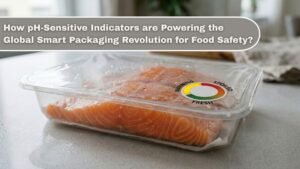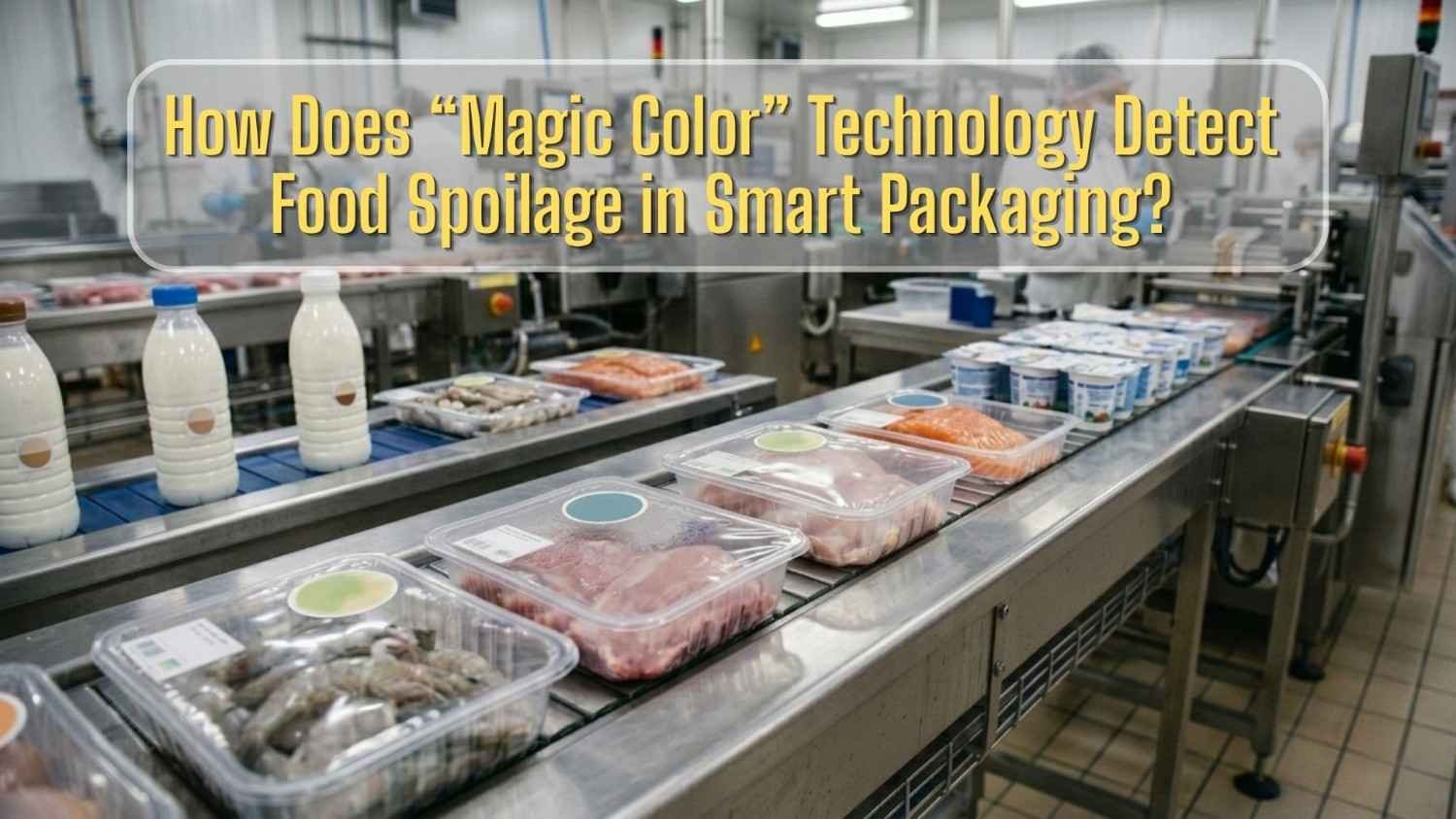
Food safety and quality monitoring have become critical concerns in today’s fast-moving supply chains. Traditional expiry dates often fail to reflect the actual condition of food products, leading to either premature disposal or, worse, consumption of spoiled food. This is where “Magic Color” technology in smart packaging is transforming the industry.
By leveraging advanced chemical indicators and color-changing compounds, this innovative technology provides a real-time visual signal of food freshness. Instead of guessing based on dates, consumers and manufacturers can now see when food has gone bad.
In this blog, we explore how Magic Color technology works, the chemistry behind it, and its growing role in smart packaging solutions.
What is “Magic Color” Technology?
“Magic Color” technology refers to the use of advanced colorimetric indicators that are embedded directly within packaging materials to detect chemical changes associated with food spoilage. These intelligent indicators are specifically designed to respond to variations in the internal environment of the package, such as shifts in pH levels, the release of volatile gases during decomposition, and the presence of microbial activity.
As food begins to deteriorate, it triggers a series of biochemical reactions that alter the surrounding conditions inside the packaging. The indicator interacts with these changes at a molecular level, leading to a visible shift in color. This transformation acts as an immediate and easy-to-understand signal of freshness, allowing consumers and supply chain stakeholders to quickly assess the quality of the product without the need for additional testing or equipment.
The Science Behind Food Spoilage Detection
Food spoilage is primarily driven by microbial growth and chemical degradation processes that occur as bacteria break down the components of food. During this decomposition, microorganisms release various chemical compounds, including ammonia, hydrogen sulfide, organic acids, and carbon dioxide. These byproducts significantly alter the internal environment of the packaging, creating measurable changes that can be used as indicators of food quality.
Among the most critical changes are shifts in pH levels and variations in gas composition within the package. As spoilage progresses, these parameters deviate from their normal range, signaling a decline in freshness. “Magic Color” technology is specifically engineered to detect these changes using highly sensitive chemical dyes and indicators. These substances respond to alterations in the packaging environment at a molecular level, enabling accurate and real-time detection of spoilage through visible color transformation.
How Magic Color Technology Works?
1. Integration of Chemical Indicators
Smart packaging incorporates specialized dyes or indicators into labels, films, or coatings. These are often derived from:
- pH-sensitive dyes
- Metallochromic indicators
- Redox-sensitive compounds
These substances remain stable under normal conditions but react when exposed to spoilage-related changes.
2. Reaction to Volatile Compounds
As food begins to spoil, volatile compounds like ammonia or sulfur gases are released. The indicators interact with these gases, triggering a chemical reaction that alters their molecular structure.
This structural change leads to a visible color shift.
3. pH-Based Color Transformation
One of the most widely used mechanisms in Magic Color technology is pH-based color transformation, which relies on highly sensitive indicators to detect changes in acidity levels within the packaging environment. Fresh food typically maintains a stable pH range, indicating that it is safe for consumption. However, as spoilage begins, microbial activity and chemical reactions cause the pH to either increase or decrease, depending on the type of food and decomposition process.
The pH-sensitive indicator responds to these changes by altering its molecular structure, resulting in a visible color shift. This transformation provides an easy-to-understand visual signal of food quality. For instance, a neutral condition may appear green, while acidic environments can turn the indicator yellow, and alkaline conditions may shift it to blue.
4. Visual Signal for End Users
The final output is simple yet powerful:
- A clear color change visible on the packaging
- No need for instruments or testing
- Instant interpretation by consumers
This makes Magic Color technology highly practical for both retail and household use.
Types of Indicators Used in Magic Color Technology
1. pH Indicators
pH indicators are among the most widely used components in Magic Color technology, primarily because of their ability to detect subtle changes in acidity levels within food products. They are especially effective in monitoring perishable items such as meat, fish, and dairy products, where even slight shifts in pH can indicate the early stages of spoilage.
2. Gas-Sensitive Indicators
Gas-sensitive indicators are specifically designed to detect volatile gases that are released during the decomposition of food. Compounds such as ammonia (NH₃) and hydrogen sulfide (H₂S) are commonly produced when protein-rich foods begin to spoil. These indicators react to the presence of such gases, triggering a visible color change that signals deterioration.
3. Time-Temperature Indicators (TTIs)
Track cumulative exposure to temperature over time, indirectly indicating spoilage risk.
4. Bio-Based Indicators
Bio-based indicators are derived from natural sources and are becoming increasingly popular in smart packaging applications due to their sustainability and safety advantages. Compounds such as anthocyanins, which are plant-based pigments, and curcumin are commonly used in these indicators.
Applications in Smart Packaging
Magic Color technology is rapidly being adopted across multiple sectors:
1. Meat and Seafood Packaging
Meat and seafood products are highly sensitive to spoilage due to their rich protein content and susceptibility to microbial growth. Magic Color technology plays a crucial role in enhancing the safety and quality of these products by enabling real-time freshness monitoring within the packaging. As spoilage begins, the indicators respond to chemical changes and provide a visible signal, allowing for quick assessment of product condition.
2. Dairy Products
Milk and cheese packaging use indicators to detect Bacterial growth and Acidification
3. Ready-to-Eat Foods
Ensures safety in:
- Packaged meals
- Processed foods
4. Export and Supply Chain Monitoring
Useful for long-distance transportation where Temperature fluctuations occur, and shelf life is critical
Conclusion
Magic Color technology represents a significant leap forward in food safety and packaging innovation. By combining chemical science with practical design, it enables real-time detection of food spoilage through simple color changes.
This not only enhances consumer safety but also supports sustainability by reducing food waste. As research continues, we can expect even more advanced and cost-effective solutions in the near future.
Looking to integrate advanced colorimetric indicators and smart chemical solutions into your packaging systems?
GSP Chem offers high-quality specialty chemicals designed for precision, reliability, and innovation.
Contact us today to explore customized solutions for your industry.